Buyer’s Guide: Selecting the Right Oxygen Inhalation Monitoring Equipment
Ensuring accurate and continuous oxygen therapy monitoring is critical in respiratory care, anesthesiology, emergency medicine, and long-term patient support. The category Oxygen Inhalation Monitors encompasses equipment that tracks oxygen flow, humidity, inspired oxygen concentration (FiO2), and patient blood oxygen saturation (SpO2).
This guide breaks down major product types, key procurement considerations, and application-specific recommendations to help healthcare professionals select the optimal solution.
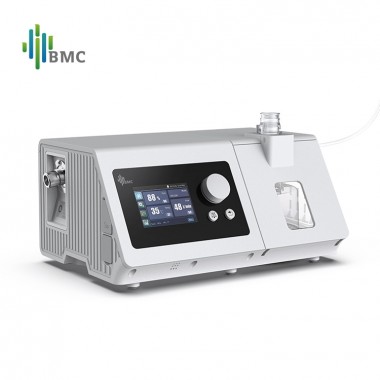
Browse Oxygen Inhalation Monitors on Drugdu.com1. Oxygen Flowmeters
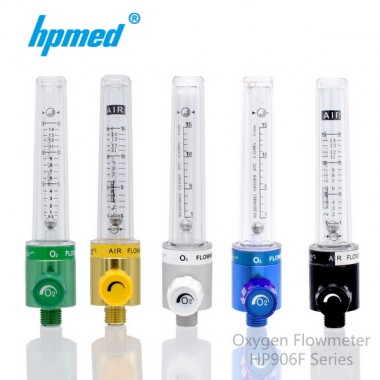
Devices that regulate and display oxygen delivery rate (typically in L/min).
- Mechanical (ball-type) or digital.
- 0–15 L/min.
- flow accuracy and calibration compliance (±10% tolerance), outlet interface compatibility (Ohmeda, DISS, BS, etc.), and integrated alarm/backlight for ICU usage.
- hospital wards, outpatient clinics, pediatric units.
2. Oxygen Humidifiers
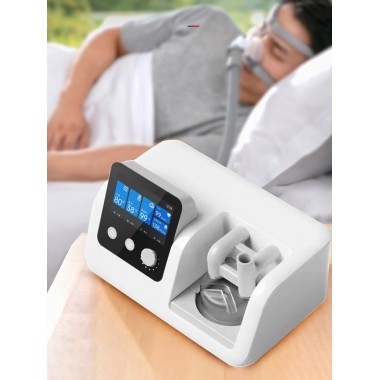
Prevent airway dryness by humidifying medical oxygen during delivery.
- Disposable or reusable.
- bubble or membrane humidification, anti-backflow valve, and safe bottle material (BPA-free/autoclavable).
- LTOT, tracheostomy patients, ventilator support.
3. Oxygen Face Masks & Nasal Cannulas
Deliver oxygen while balancing comfort, sealing performance, and FiO2 precision.
- nasal cannula (low flow), simple face mask (medium flow), non-rebreather/Venturi masks (high FiO2 precision).
- patient age, target oxygen delivery range, strap comfort, and material biocompatibility.
4. Inspired Oxygen Concentration Monitors (FiO2 Monitors)
Measure actual inspired oxygen concentration to ensure therapeutic accuracy.
- anesthesia, critical care, and ventilator-integrated systems.
- real-time FiO2 display, high/low threshold alarms, and bedside/transport portability.
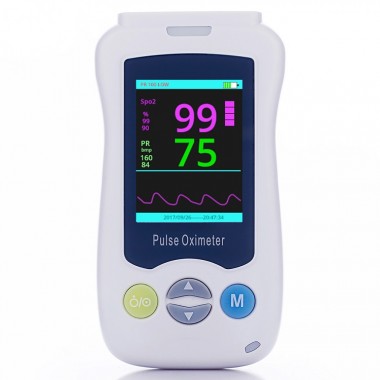
5. Pulse Oximeters
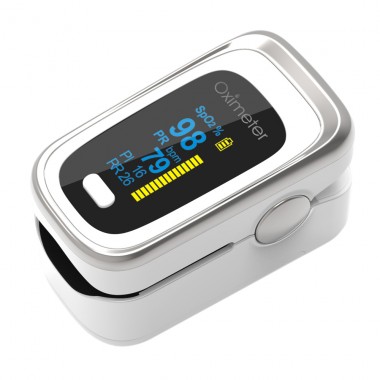
Non-invasive monitors for SpO2 and pulse rate.
- fingertip, handheld, wrist-worn, or multi-parameter monitor.
- bedside monitoring, home oxygen therapy, post-operative follow-up.
- probe sensitivity in low perfusion patients, display readability (OLED/waveform), and data export capability.
6. Integrated Oxygen Therapy Terminals
Wall-mounted all-in-one stations combining flowmeter, humidifier, FiO2 monitor, and safety shutoff valves.
- centralized oxygen systems in ICUs and multi-bed respiratory wards.
- space-saving design, simplified maintenance, integrated safety features.

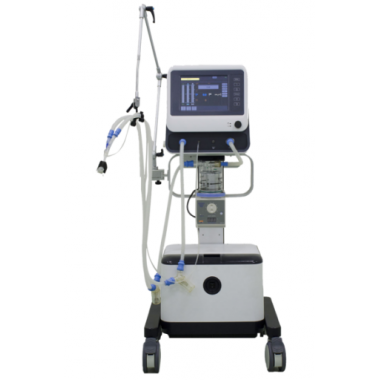
| Clinical Setting | Recommended Devices |
|---|---|
| General Ward Oxygen Therapy | Mechanical flowmeter + humidifier + nasal cannula |
| ICU / Anesthesia | Digital FiO2 monitor + non-rebreather mask + SpO2 monitor |
| Home Care & LTOT | Portable flowmeter + fingertip pulse oximeter |
| Emergency Transport | Battery-powered combo units + high-flow nasal mask |
| Neonatal / Infant Care | Low-flow pediatric flowmeter + pediatric masks/cannulas |
When selecting equipment, ensure compliance with the following:
- EN ISO 10524, CE marking, medical-grade precision.
- FDA 510(k), CE, ISO 80601-2-61.
- DEHP-free, latex-free, BPA-free.
- central gas supply standards (DIN, BS, DISS, etc.).
- IEC 60601-1 for powered units.
- Using non-medical oxygen delivery sets in clinical settings.
- Overlooking interface compatibility with hospital wall outlets.
- Selecting humidifiers without anti-backflow design.
- Ignoring pediatric-specific sizing and flow requirements.
- Using monitors without CE/FDA or equivalent certifications for hospital deployment.
| Evaluation Factor | Why It Matters |
|---|---|
| Oxygen Delivery Accuracy | Directly impacts therapeutic effect and patient safety. |
| Monitoring Modality | Defines whether SpO2, FiO2, or only flow is tracked. |
| Use Scenario (ICU vs Home) | Determines portability, battery dependence, and durability needs. |
| Interface Compatibility | Ensures fit with the hospital central oxygen supply system. |
| Regulatory Compliance | Required for procurement in regulated markets. |
- Assess each department’s actual needs: not all wards require FiO2 monitoring, but most benefit from accurate flow regulation and SpO2 feedback.
- For hospitals with centralized oxygen infrastructure, integrated wall terminals can improve workflow and total cost efficiency.
- For home-care programs, prioritize easy operation, disposable humidifiers, and long battery life.
- Verify CE, FDA, or equivalent certifications before procurement and deployment.
- For high-risk or post-operative patients, pair oxygen delivery with real-time saturation monitoring.