How to Choose the Right ECG Monitor
ECG Monitors, also known as portable or home-use ECG devices, are increasingly adopted in modern healthcare to provide real-time cardiac rhythm tracking outside the hospital. These devices enable early detection of arrhythmias, support post-operative cardiac rehabilitation, and enhance remote patient management.
For hospital cardiology departments, telemedicine providers, and medical distributors, selecting the right ECG monitor involves evaluating accuracy, connectivity, and clinical workflow integration.
Browse ECG Monitors on Drugdu.comProfessional-grade ECG monitors typically include:
- 1–12 lead ECG acquisition (single-lead for screening, 3/6/12-lead for advanced diagnosis)
- Integrated electrodes or patch sensors for convenient daily monitoring
- Real-time waveform display via built-in screen or connected mobile device
- Arrhythmia detection algorithms for AFib, PVC, bradycardia, and tachycardia events
- Data storage and cloud upload for remote physician review and long-term patient follow-up
- Battery-powered portability with rechargeable or disposable power options
- Optional telemedicine platform access for real-time clinician notifications
High-end devices combine medical-grade accuracy with consumer-friendly usability, supporting both professional screening and home cardiac care.
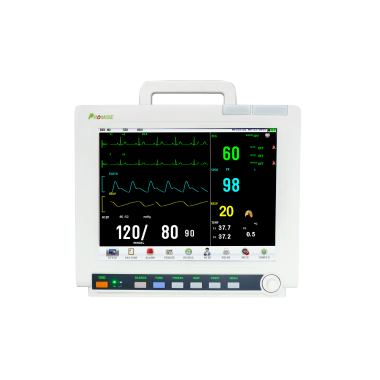
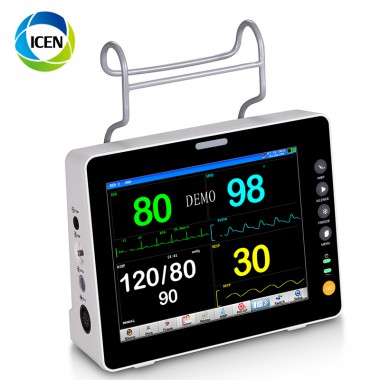
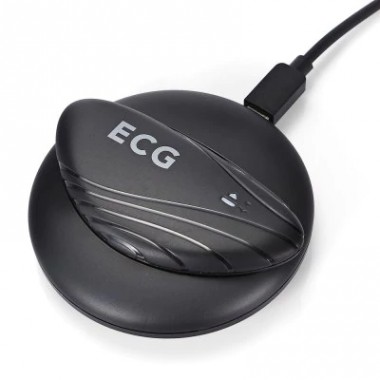
Domestic ECG monitors are particularly valuable for:
- Continuous or episodic ECG monitoring for post-MI or post-surgery patients.
- Real-time rhythm transmission to cloud-based monitoring centers.
- Early arrhythmia screening to reduce hospital burden.
- Self-monitoring for patients with AFib, heart failure, or syncope history.
- Ambulatory ECG tracking for drug safety and efficacy evaluation.
Integration with hospital EMR/HIS systems or telehealth platforms improves patient follow-up and workflow efficiency.
What lead configuration is required?
Single-lead for basic screening; 3–12 lead for diagnostic-grade monitoring.
Is real-time or periodic monitoring needed?
Continuous monitors for high-risk patients; spot-check devices for routine follow-up.
How will data be accessed and stored?
Choose devices with Bluetooth, USB, Wi-Fi, or cloud upload for secure data management.
Who will operate the device?
Consider devices with intuitive interfaces and patient-friendly electrode placement.
| Feature | Why It Matters |
|---|---|
| Lead Type & Accuracy | Determines diagnostic capability and detection of subtle arrhythmias. |
| Real-Time Waveform Display | Supports immediate patient or clinician response. |
| Arrhythmia Detection | Automated AFib/PVC alert reduces reliance on manual review. |
| Data Storage & Cloud Sync | Enables remote consultation and long-term follow-up. |
| Battery Life & Portability | Critical for home or ambulatory patient convenience. |
| Telemedicine Integration | Facilitates remote care and multi-patient management. |
| Regulatory Certification | CE/FDA approval ensures clinical-grade reliability. |
| Type | Best Suited For |
|---|---|
| Single-Lead Portable ECG | Basic home use, quick rhythm check, low-cost community programs. |
| Multi-Lead Handheld ECG | Diagnostic screening in clinics or cardiac rehabilitation. |
| Patch-Style Wearable ECG | Continuous, discreet monitoring for high-risk or active patients. |
| Cloud-Connected ECG System | Telemedicine, hospital-to-home care, and multi-patient monitoring. |
- Selecting consumer-only devices lacking medical-grade accuracy for clinical monitoring.
- Ignoring data security and HIPAA/GDPR compliance in telemedicine applications.
- Choosing monitors without clear electrode placement guidance for home users.
- Overlooking battery life and device durability for ambulatory use.
- Neglecting software support and after-sales service for cloud-enabled solutions.
ECG monitoring is rapidly evolving with:
- AI-powered arrhythmia detection for early intervention.
- Wearable patch and multi-day Holter solutions for patient comfort.
- Seamless telemedicine integration to support decentralized care.
- Miniaturized, consumer-friendly devices with medical-grade accuracy.
- Cloud analytics and population health dashboards for hospital networks.
When sourcing ECG monitors, consider:
- CE/FDA/ISO13485 certification for clinical use.
- Device usability for home patients and elderly users.
- Availability of cloud platform or API for hospital IT integration.
- Long-term battery life and robust technical support.
- Proven arrhythmia detection and clinical validation studies.
Visit Drugdu.com to explore verified ECG monitor manufacturers for your clinical programs.
Domestic ECG monitors enhance early arrhythmia detection, telehealth efficiency, and patient engagement.
When choosing a system, prioritize lead accuracy, cloud connectivity, patient usability, and regulatory compliance.
For large-scale deployment, consider multi-patient cloud platforms and AI-assisted analytics to optimize workflow.